Tracking Federal Office Closures That Impact Public Lands
Which public land management agency offices are being closed, and who will be effected by those closures?
Yesterday, in support of the Trump administration’s effort to massively reduce the federal workforce, the General Services Administration published a list of over 400 federal offices it plans to sell off. This morning, that list was deleted. Here it is in its entirety, along with a breakout of office space at public lands and related agencies (like the National Park Services and U.S. Fish and Wildlife Service), parsed by the impacts those closures will have to the places we care about.
“GSA currently owns and maintains over 440 non-core assets comprising almost 80 million rentable square feet across the nation and representing over $8.3 billion in recapitalization needs,” the agency said in a statement. “Decades of funding deficiencies have resulted in many of these buildings becoming functionally obsolete and unsuitable for use by our federal workforce. We can no longer hope that funding will emerge to resolve these longstanding issues. GSA’s decisive action to dispose of non-core assets leverages the private sector, drives improvements for our agency customers, and best serves local communities.”
As the federal government prepares for a massive reduction in force, potentially to near-shutdown levels, it makes sense that need for office space will track accordingly.
Given the published-then-deleted nature of this list of upcoming office closures, it’s likely safe to draw a correlation between it, and the agencies and functions of the federal government this administration intends to continue funding, and at what levels.
Here’s the full list created by GSA:
That’s a lot of random addresses, plus agencies that aren’t necessarily applicable to our discussion about public lands. Enter this spreadsheet, assembled by Olek Chmura, who on February 14th was fired from his position as a custodian at Yosemite National Park.
A live version of the spreadsheet can be found at this link. Static PDFs of the sheet are available below, for easy viewing (four files):
What does all this tell us?
Five of the offices that will be closed are for the Bureau of Indian Affairs, which manages the federal government’s activities on indian reservations. Many of those, like Fort Peck in Northern Montana—which will lose its BIA office under these plans—are remote, economically depressed areas where travel to regional headquarters may involve hours or days of driving, at significant expense. But that’s what businesses and residents who live on Fort Peck will now need to do when they need to interact with BIA around benefits, permitting, real estate transactions, and other essential matters.
Other impacts may be small, and only felt locally. Closing the NPS in Arcata, California will, according to Chmura, disrupt the operations dedicated to protecting the Coastal Martin, a threatened species that lives in redwood forests on the California and Oregon coast. Sometimes called the Humboldt Marten, the species runs the risk of being wiped out by any local outbreak of disease—the bird flu is thought to pose a risk here—something that may no longer be monitored.
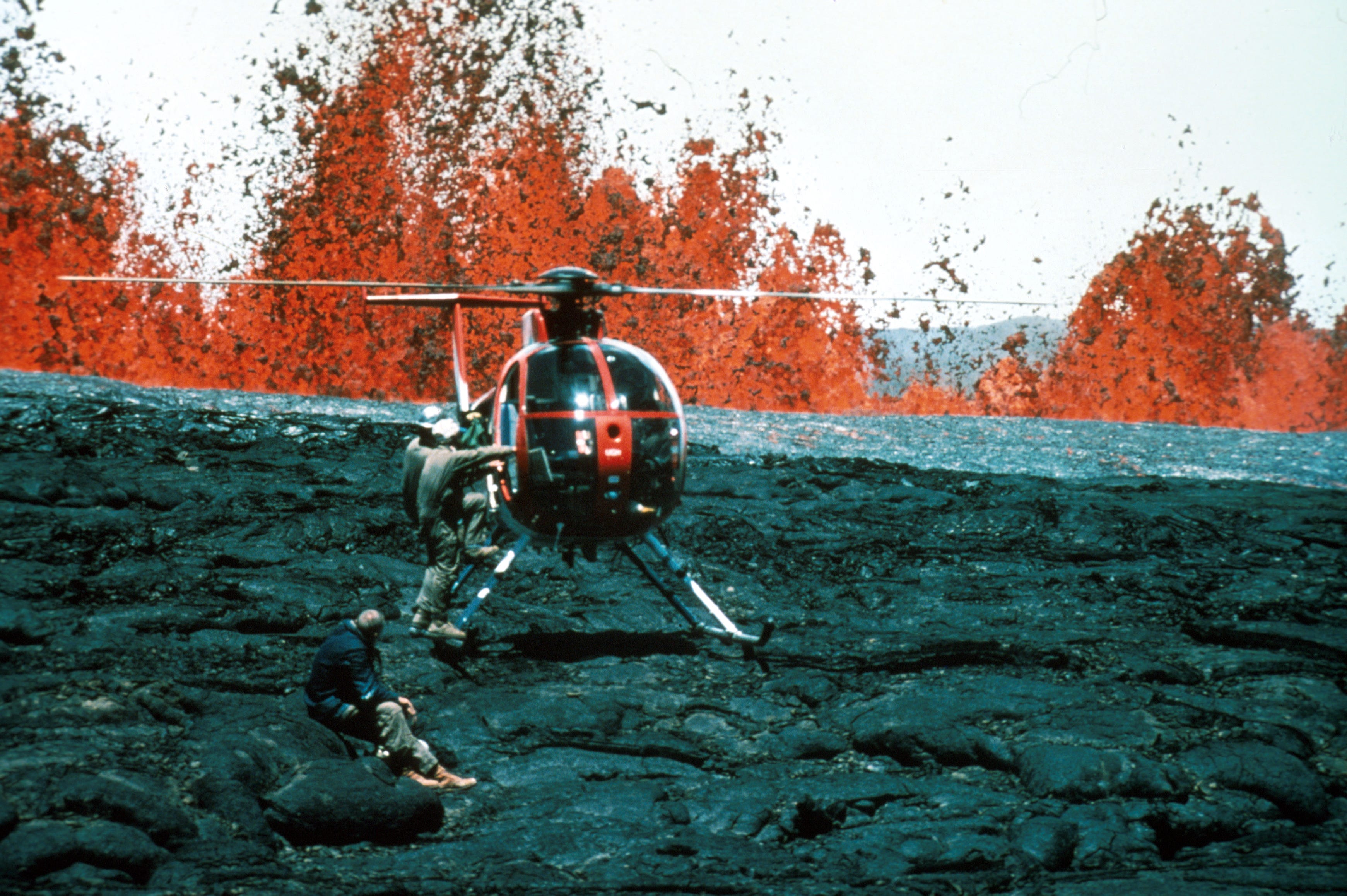
Anyone else read “Volcano,” the adventure novel written by James Patterson and Michael Crichton that was published last year? On this list is the Hawaiian Volcano Observatory’s office in the Hilo Iron Works Building, which monitors volcanic and seismic activity on Hawaii, and warns the public of imminent risk. I sure hope the military isn’t hiding any radioactive pesticides in old ice tubes on the slopes of Mauna Loa!
And there are, of course, offices that have enormous impacts on all our lives, and the future of our planet. The Bureau of Ocean Energy Management office in Louisiana is on this list. BOEM handles policy for offshore oil, gas, and mineral leases, and this office manages operations in the Gulf of Mexico, where 97 percent of all this country’s offshore oil and gas production is located. Eliminating this office will reduce federal oversight of operations in the Gulf, potentially leading to another environmental disaster there.
There’s a lot here. Why don’t you guys dig in, and call out the impacts you find, whether they be hyper-local or of national importance.
Stay tuned, there’s some more major public lands news coming as early as tomorrow.
Wes Siler is your guide to leading a more exciting life outdoors. Upgrading to a paid subscription supports independent journalism and gives you personal access to his expertise and network, which he’ll use to help you plan trips, purchase gear, and solve problems. You can read more about what he’s doing on Substack through this link.


You make it very real Wes. Thanks for waking us up. Such a sad, sad time in America. I'm not much one for prayer but I'm praying for a miracle now to restore all these jobs and valuable resources to protect our most important resources. Our people and our land.
Thanks for tracking this gross miscarriage of “governance.” My first response is “they’re pretty much gutting the BIA.” My next response is they see every natural resource as expendable, beginning with the foundation of life, water. The impacts here in MN are on water and wildlife essential to food chains and ecosystems, not to mention wide-eyed awe and wonder.